All Study Notes

Explore subject-wise educational notes for competitive examinations,
school students and general knowledge preparation.

Browse Study Notes by Subject:

Read the Latest Posts Below 👇🏿
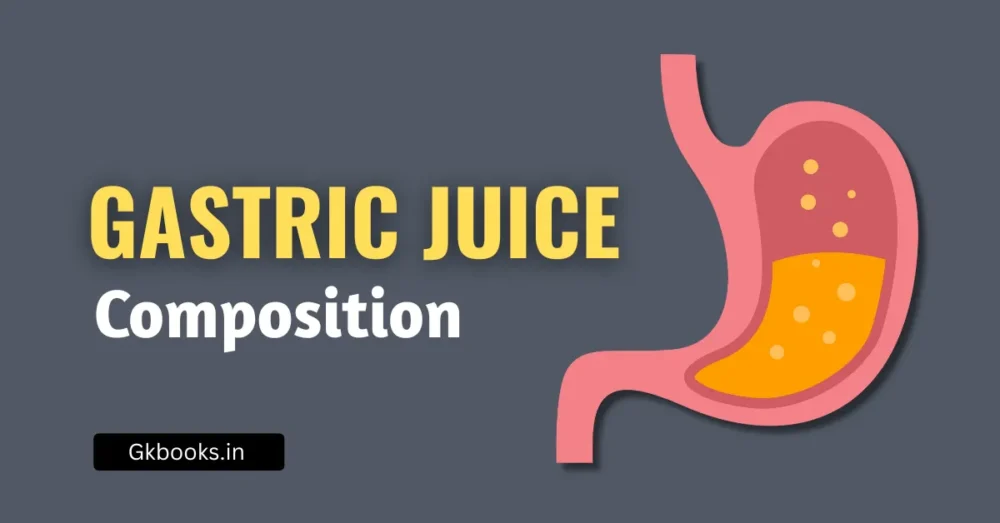
Composition of Gastric Juice

Composition of Gastric Juice: Explained Simply

Gastric juice is a digestive fluid secreted by the stomach that plays a key role in breaking down food. It contains special chemicals and enzymes that help us digest proteins and kill harmful microbes. Understanding its composition is important for both science lovers and exam aspirants. Let’s break it down into simple parts! What is […]

Composition of Gastric Juice: Explained Simply Read More »
Biotechnology: Exam-Ready Concepts

Biotechnology: Exam-Ready Concepts

Biotechnology is a powerful blend of biology and technology that uses living organisms to create useful products. From life-saving medicines to improved crops and eco-friendly fuels, its impact is everywhere. Let’s explore the core concepts and gain a complete understanding of what biotechnology is all about. What is Biotechnology? Biotechnology is a branch of science

Biotechnology: Exam-Ready Concepts Read More »

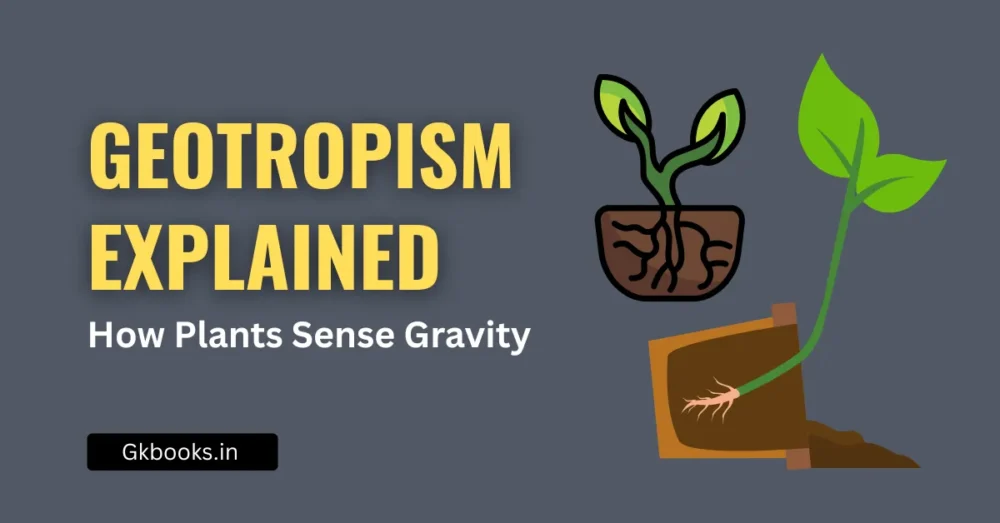
Geotropism Explained: How Plants Sense Gravity

Geotropism Explained: How Plants Sense Gravity

Have you ever seen roots grow downward and shoots grow upward, no matter how you plant the seed?That’s because plants follow something very special called Geotropism! Let’s explore this amazing topic in a simple and exam-friendly way. What is Geotropism? Geotropism (also called Gravitropism) is a type of plant movement that happens in response to

Geotropism Explained: How Plants Sense Gravity Read More »

Understanding Oxytocin – The Love Hormone

Understanding Oxytocin – The Love Hormone

Before we learn about Oxytocin, let’s understand what hormones are. ✅ What are Hormones?◾ Hormones are chemical messengers made by special glands in our body.◾ They travel through blood and control many body functions like growth, emotions, hunger, and more. ✔️ Don’t miss this: A beginner-friendly guide to hormones – Start here! ❤️ What is

Understanding Oxytocin – The Love Hormone Read More »

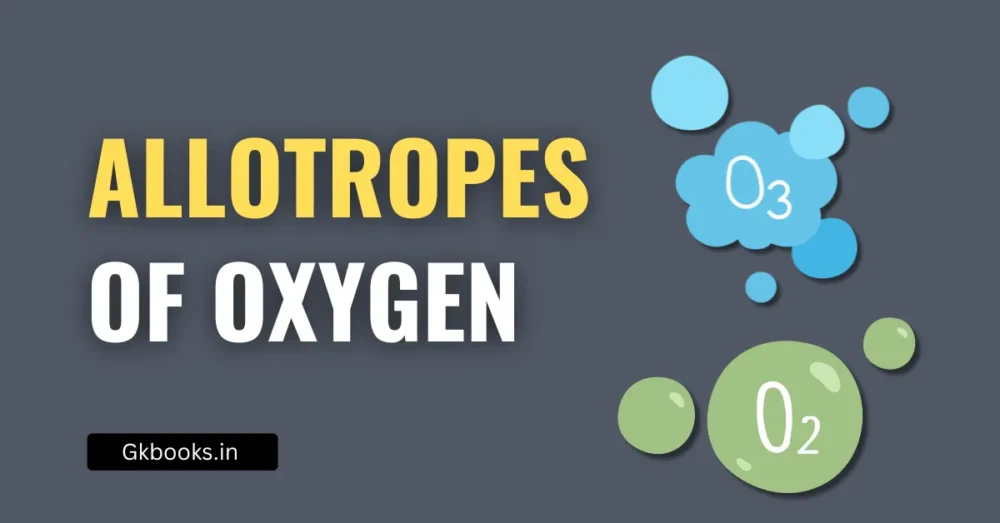
Allotropes of Oxygen – Explained Simply for Exam Aspirants!

Allotropes of Oxygen – Explained Simply for Exam Aspirants!

If you are preparing for SSC, RRB NTPC, UPSC, or State PSC exams, you must understand some basic science topics — and “Allotropes of Oxygen” is one of them. But don’t worry! We’ll break it down into simple parts. Let’s dive in! 🧠📘 What are Allotropes? ◾ Allotropes are different forms of the same element.🔹

Allotropes of Oxygen – Explained Simply for Exam Aspirants! Read More »

Melatonin Hormone – The Sleep Regulator

Melatonin Hormone – The Sleep Regulator

“Sleep is the golden chain that binds health and our bodies together.” — Thomas Dekker Melatonin is often called the “Sleep Hormone”, but its role in our body is much more than just helping us sleep. This post explains everything you need to know about melatonin in a simple way, perfect for your exam preparation.

Melatonin Hormone – The Sleep Regulator Read More »

Colloidal Solution – A Simple Guide for Competitive Exams

Colloidal Solution – A Simple Guide for Competitive Exams

Are you confused between solutions, suspensions, and colloids? Don’t worry! Today, we’ll make the Colloidal Solution crystal clear and easy to understand—even if you’re just starting your preparation. Let’s get started! 💪 What is a Colloidal Solution? A colloidal solution is a mixture in which tiny particles of one substance are spread evenly throughout another

Colloidal Solution – A Simple Guide for Competitive Exams Read More »

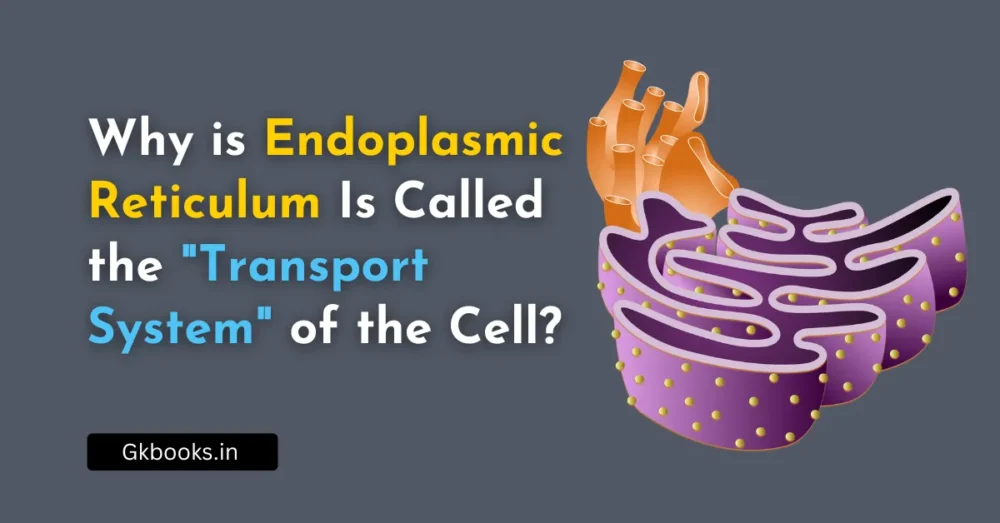
Why is Endoplasmic Reticulum Is Called the "Transport System" of the Cell?

Why is Endoplasmic Reticulum Is Called the “Transport System” of the Cell?

Understanding biology doesn’t have to be tough—especially when it comes to understanding how things move inside a cell. Just like how roads and railways help transport goods across cities, the Endoplasmic Reticulum (ER) helps transport important materials inside the cell. That’s why it is often called the “Transport System” of the cell. This article will

Why is Endoplasmic Reticulum Is Called the “Transport System” of the Cell? Read More »

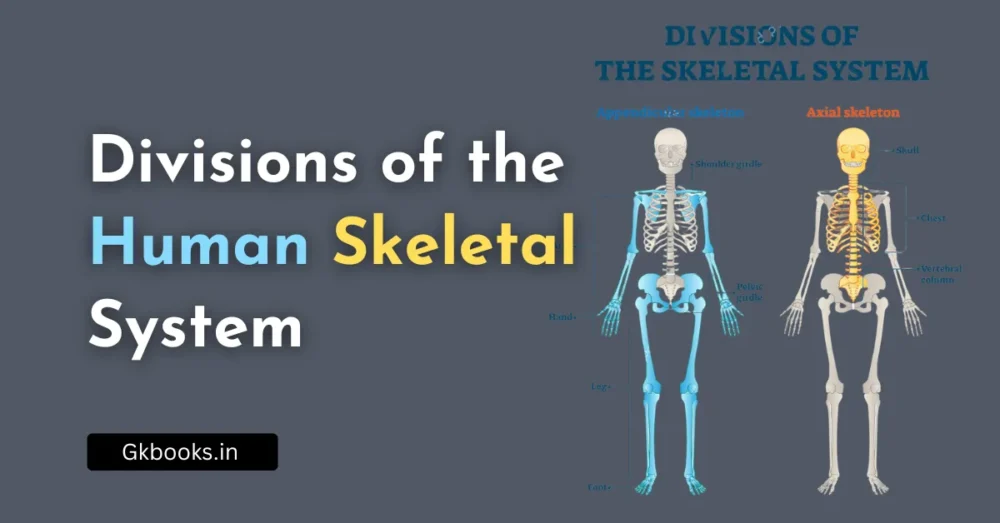
Divisions of the Human Skeletal System

Divisions of the Human Skeletal System – Axial & Appendicular Skeleton Explained

The human skeletal system forms the framework of our body, offering support, protection, and enabling movement. Understanding its divisions is essential for students and aspirants preparing for UPSC, SSC, RRB NTPC, State PSCs, and other competitive exams, especially from Class 6 to 12 standard. Questions from this topic frequently appear in the General Science, Biology,

Divisions of the Human Skeletal System – Axial & Appendicular Skeleton Explained Read More »

Thyroid Stimulating Hormone (TSH)- Functions, Importance & Exam-Oriented Facts

Thyroid Stimulating Hormone (TSH): Functions, Importance & Exam-Oriented Facts

Thyroid Stimulating Hormone (TSH) is a crucial pituitary hormone that plays a key role in regulating metabolism, growth, and development through its effect on the thyroid gland. Questions from this topic frequently appear in UPSC, SSC, RRB NTPC, State PSCs, and other government exams, making it an important chapter in General Science and Biology. If

Thyroid Stimulating Hormone (TSH): Functions, Importance & Exam-Oriented Facts Read More »

Why Are Lysosomes Called the Suicidal Bag of the Cell?

Why Are Lysosomes Called the Suicidal Bag of the Cell?

In competitive exams like UPSC, SSC, RRB NTPC, and State PSCs, questions on cell organelles are quite common. One frequently asked topic is: “Why are lysosomes called the ‘suicidal bag’ of the cell?“ Understanding this not only helps in biology questions but also enhances clarity in related topics like cell structure, metabolism, and human physiology.

Why Are Lysosomes Called the Suicidal Bag of the Cell? Read More »

How Many Eggs Are Released by a Human Ovary in a Month?

How Many Eggs Are Released by a Human Ovary in a Month?

The human female reproductive system is a recurring topic in NCERT Science and features prominently in competitive exams like UPSC, SSC, RRB NTPC, State PSCs, and even class 10th–12th board exams. One frequently asked question is: “How many eggs are released by a human ovary each month?“ Knowing the exact answer, along with the science

How Many Eggs Are Released by a Human Ovary in a Month? Read More »

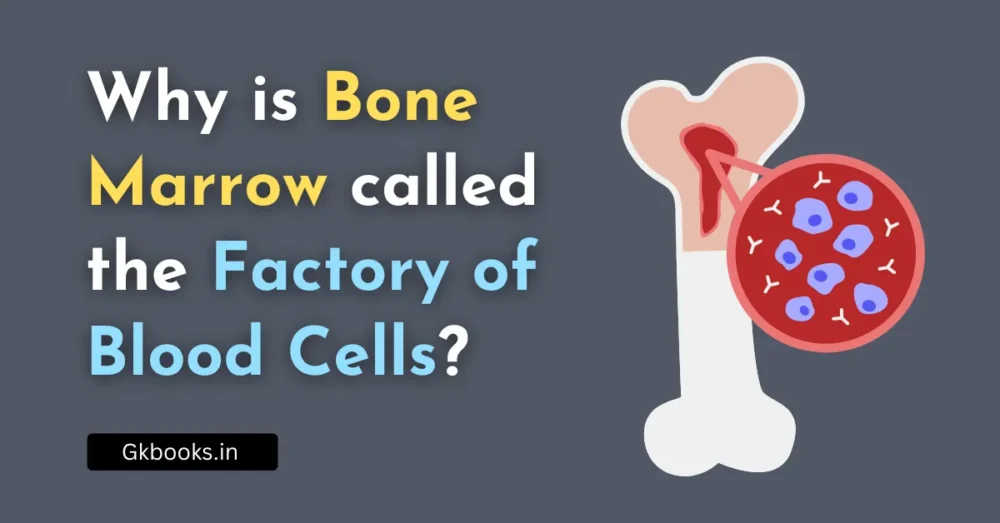
Why is Bone Marrow called the Factory of Blood Cells?

Why is Bone Marrow called the Factory of Blood Cells?

Bone marrow plays a crucial role in human physiology and is frequently asked about in UPSC, SSC, RRB NTPC, and State PSC exams. Understanding why it is called the “Factory of Blood Cells” helps students answer biology questions related to the circulatory system, immunity, and human anatomy. What is Bone Marrow? ✅ Definition:Bone marrow is

Why is Bone Marrow called the Factory of Blood Cells? Read More »

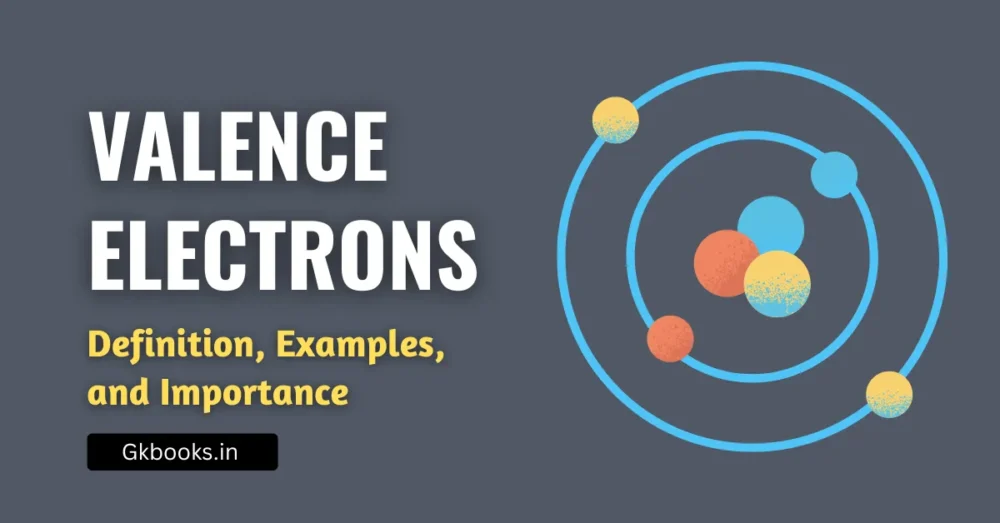
Valence Electrons Definition, Examples, and Importance for Exams

Valence Electrons: Definition, Examples, and Importance for Exams

Valence electrons are the building blocks of chemical bonding and reactivity—a core concept in chemistry that appears frequently in NCERT textbooks (Class 9–12) and competitive exams like UPSC, SSC, RRB NTPC, and State PSCs. Understanding valence electrons helps explain: This makes it a must-know topic for all science learners and exam aspirants. What are Valence

Valence Electrons: Definition, Examples, and Importance for Exams Read More »

What is a Lever – Types, Working, Examples, Formula & Uses

What is a Lever? – Types, Working, Examples, Formula & Uses

A lever is a simple machine that helps us do work more easily by multiplying force. It plays a crucial role in everyday tools like scissors, pliers, seesaws, and even our body movements. Understanding levers is essential for students from Class 6–12, as it is frequently covered in NCERT Science, Physics basics, and competitive exams

What is a Lever? – Types, Working, Examples, Formula & Uses Read More »

Why is the Ribosome Called the Protein Factory of the Cell?

If you’re preparing for SSC, RRB NTPC, UPSC, or state-level exams, you must have come across this question: “Why is the ribosome called the protein factory?” In this post, we’ll break it down in simple words, just like how a 6th-grade student would understand — yet with enough depth to help you in competitive exams.

Why is the Ribosome Called the Protein Factory of the Cell? Read More »

Sebaceous Glands – SSC Notes

◾Sebaceous glands are small, oil-producing exocrine glands present in the skin. ◾ They are usually attached to hair follicles and secrete sebum, an oily substance. 🔹 Key Term: Sebum – An oily secretion that lubricates skin and hair. Functions ◾Lubrication: Keeps skin and hair soft and prevents dryness. ◾Waterproofing: Forms a protective barrier to reduce

Sebaceous Glands – SSC Notes Read More »

Exocrine Glands – Exam-Ready Notes

◾ Exocrine glands are glands that release their secretions onto a body surface (like skin) or into a body cavity through ducts. ◾These secretions include enzymes, sweat, saliva, mucus, and other substances. 🧩 Memory Tip:Exo = Exit ➝ Secretion exits through ducts. Functions of Exocrine Glands ◾Digestion: Enzymes secreted help break down food (e.g., salivary,

Exocrine Glands – Exam-Ready Notes Read More »

Scroll to Top