Indian Polity

List of all 17 National Symbols Of India

India showcases its cultural uniqueness through its national symbols. These symbols represent the rich culture and heritage of India, reflecting the diversity and unity of the country. They hold great importance for competitive exam aspirants, whether for UPSC, banking, or SSC. There are 17 national symbols of India, each representing the country’s values, pride, and […]

List of all 17 National Symbols Of India Read More »
The National Emblem of India: All You Need to Know

The National Emblem of India represents the identity and authority of the nation. It is based on the Lion Capital of Emperor Ashoka, which is located at Sarnath. This design was officially adopted as the State Emblem of India on January 26, 1950. The emblem holds great importance and is displayed on prominent buildings like

The National Emblem of India: All You Need to Know Read More »

Citizenship of India UPSC Notes Indian Polity Notes

Citizenship of India UPSC Notes: Indian Polity Notes

Part II of the Constitution of India (Articles 5-11) deals with the Citizenship of India. Here, you can learn about the laws, acts, ways, and articles of the Constitution related to the Citizenship of India, along with video info bits. Changes in citizenship laws and policies have led to discussions about their effects on different

Citizenship of India UPSC Notes: Indian Polity Notes Read More »

Union and its Territory Notes

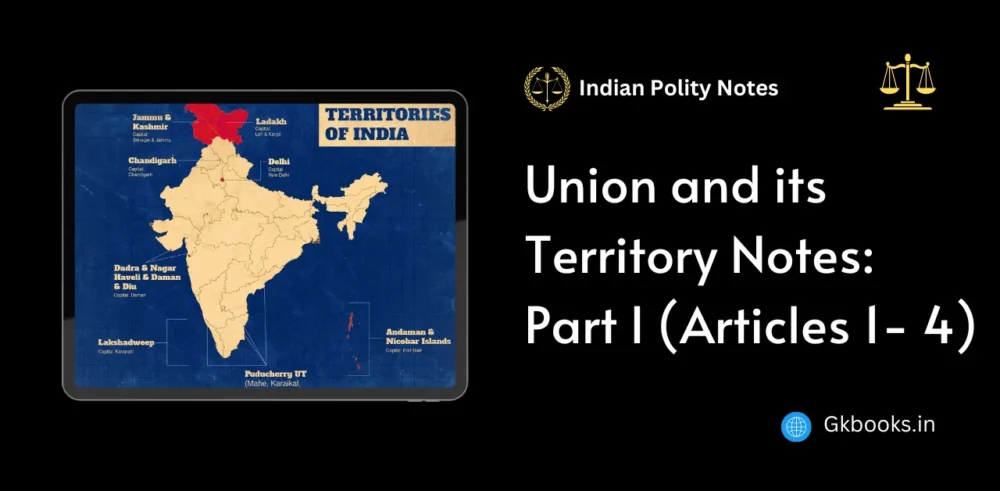
Union and its Territory Notes: Part I (Articles 1- 4)

Part I of the Indian Constitution is titled “The Union and its Territory.” It covers Articles 1 to 4 and includes laws about India’s formation as a country and the union of states that make up the nation. This part of the constitution explains the rules for establishing, renaming, merging, or changing the borders of

Union and its Territory Notes: Part I (Articles 1- 4) Read More »

The Preamble of the Indian Constitution

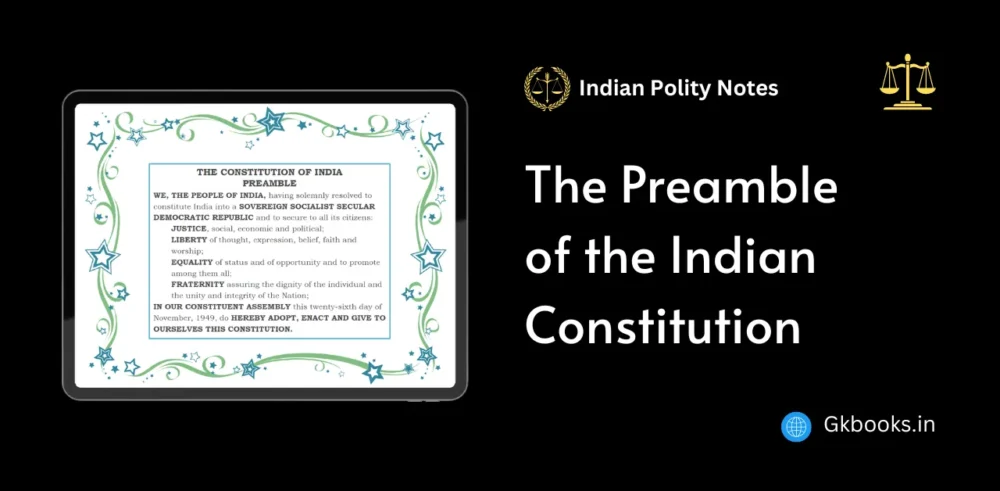
The Preamble of the Indian Constitution: Full Explanation

The Preamble of the Indian Constitution is like the opening statement of a grand story that tells us about the ideals and goals of our country. For those preparing for competitive exams like UPSC, WBCS, SSC, CDS, and state-level exams, understanding the Preamble is crucial. It outlines the purpose and principles on which our nation

The Preamble of the Indian Constitution: Full Explanation Read More »

Difference between Lok Sabha and Rajya Sabha

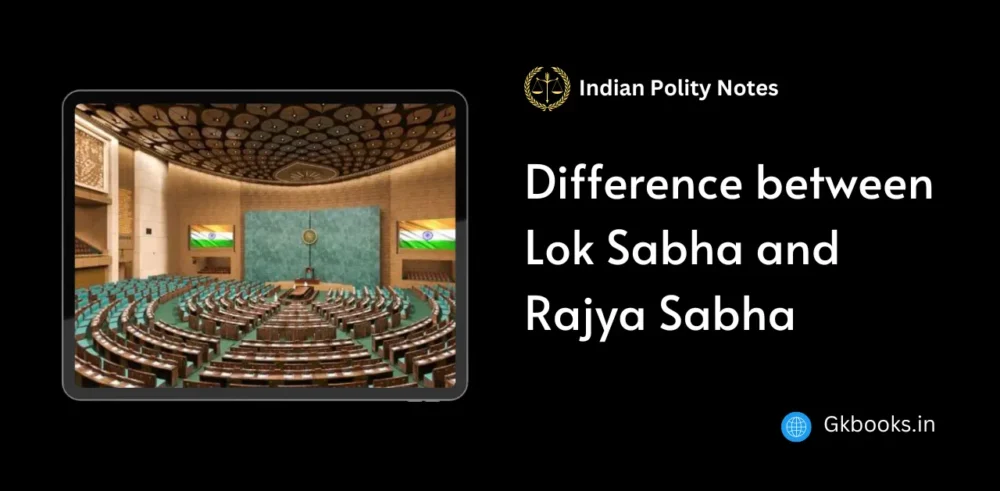
Difference between Lok Sabha and Rajya Sabha: Complete Details

In 1954, the names ‘Rajya Sabha’ and ‘Lok Sabha’ were officially adopted to refer to the Upper House (Council of States) and Lower House (House of People) of the Indian Parliament, respectively. The Rajya Sabha represents the states and union territories of India, while the Lok Sabha represents the entire populace of the country. Despite

Difference between Lok Sabha and Rajya Sabha: Complete Details Read More »

Complete Details on Attorney General of India

Attorney General of India: Complete Details

In this article, learn the complete details about the Attorney General of India, including their role, functions, and limitations. Additionally, discover other crucial facts about the Attorney General (AG), such as the differences between the AGs of India and the USA, the list of AGs until 2024, and many more. Introduction The Attorney General for

Attorney General of India: Complete Details Read More »

12 schedules of indian constitution

Schedules of Indian Constitution Tricks: Complete Guide

Hey there, exam warriors! Cracking competitive exams like SSC, UPSC, Railways, and those state PSCs requires mastering a vast amount of information, especially within Indian Polity. One section that often throws aspirants a curveball is the Schedules of the Indian Constitution. There are twelve of them, each packed with important details. But fear not! Here’s

Schedules of Indian Constitution Tricks: Complete Guide Read More »

Scroll to Top