
Tropic of Cancer Complete Overview

Tropic of Cancer: Countries, Map, Orgin of Name, Geography Complete Notes

The Tropic of Cancer is an important line on the Earth’s map, located about 23° north of the Equator. It marks the farthest point where the Sun shines directly overhead at noon, which happens during the June solstice. This line crosses many countries, influencing their climates and weather patterns. In this blog, we will explore

Tropic of Cancer: Countries, Map, Orgin of Name, Geography Complete Notes Read More »

Size and Location of India

Size and Location of India: Complete Insights

India lies centrally within the Asian continent, positioned between its eastern and western regions. It forms the southernmost part of Asia, extending from the northern tip of Kashmir to the southern end of Kanyakumari, and from Arunachal Pradesh in the east to Gujarat in the west. Additionally, India’s territorial waters extend up to 12 nautical

Size and Location of India: Complete Insights Read More »

Calvin Cycle Complete Notes

Calvin Cycle Explained: Steps and Importance in Photosynthesis

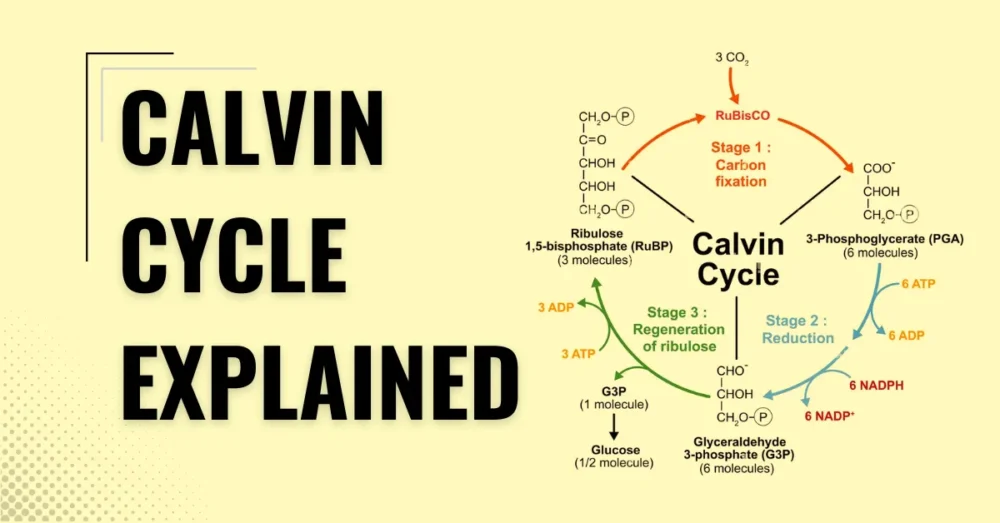
Photosynthesis is a remarkable process that sustains life on Earth, and at the heart of this process lies the Calvin Cycle. This cycle, a vital component of photosynthesis, plays a crucial role in transforming carbon dioxide into glucose, which plants use for energy and growth. Let’s explore the Calvin Cycle’s phases, significance, and the complex

Calvin Cycle Explained: Steps and Importance in Photosynthesis Read More »

Barak River System Complete Notes

Barak River System: Complete Notes with Map

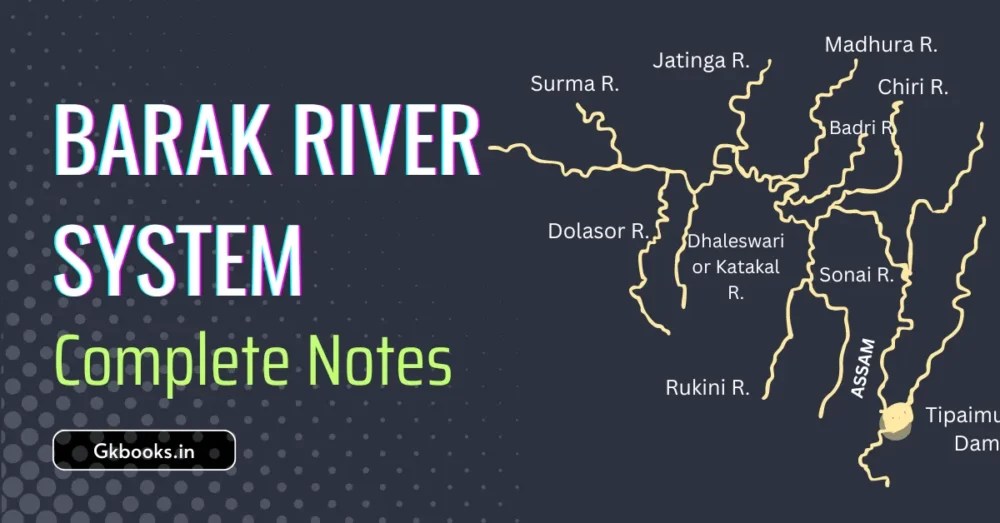
Are you preparing for competitive exams and looking for a complete understanding of the Barak River System? In this article, we’ve got you covered! But first, have you ever wondered what makes this river system unique in India’s geography? The Barak River System plays a crucial role in the northeastern part of India, and this

Barak River System: Complete Notes with Map Read More »

Tectonic Lakes Types, Formation, Key Facts

Tectonic Lakes: Types, Formation, Key Facts

Tectonic lakes are formed due to movements in the Earth’s crust, such as faulting, tilting, folding, and warping. These natural processes create depressions where water collects, resulting in the formation of lakes. Tectonic lakes are usually large or medium-sized and are often very deep, with steep coastlines that follow the movement of tectonic plates. Understanding

Tectonic Lakes: Types, Formation, Key Facts Read More »

Krishna River System Key facts

Krishna River System: Location, Map, Tributaries, Key Facts

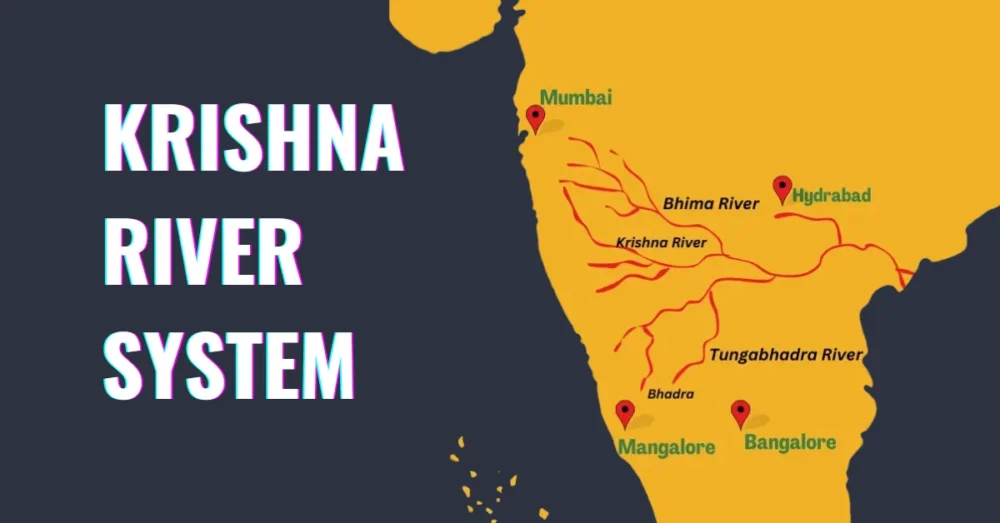
Are you preparing for competitive exams like SSC, RRB, NTPC, or UPSC? The Krishna River System is an essential topic that often appears in these tests. In this post, we’ll cover its location, map, tributaries, and key facts to help you stay ahead. Ready to dive into one of India’s major river systems? The Krishna

Krishna River System: Location, Map, Tributaries, Key Facts Read More »

Sambhar Lake, Key Facts About India's Largest Inland Saltwater Lake

Sambhar Lake: Key Facts About India’s Largest Inland Saltwater Lake

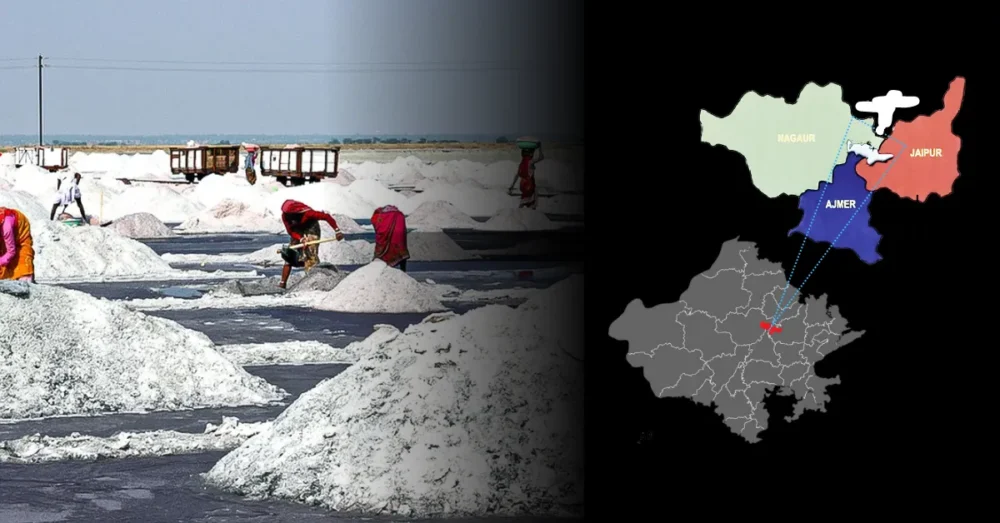
Sambhar Lake, also known as Sambhar Salt Lake, is located in Rajasthan and is recognized worldwide for its significance. It was designated as a Ramsar site in March 1990 due to its ecological importance, serving as a crucial wintering ground for thousands of migratory birds, including flamingos, pelicans, and others from northern Asia. Notably, Sambhar

Sambhar Lake: Key Facts About India’s Largest Inland Saltwater Lake Read More »

Introduction to Fluids, A Fundamental Aspect of Nature

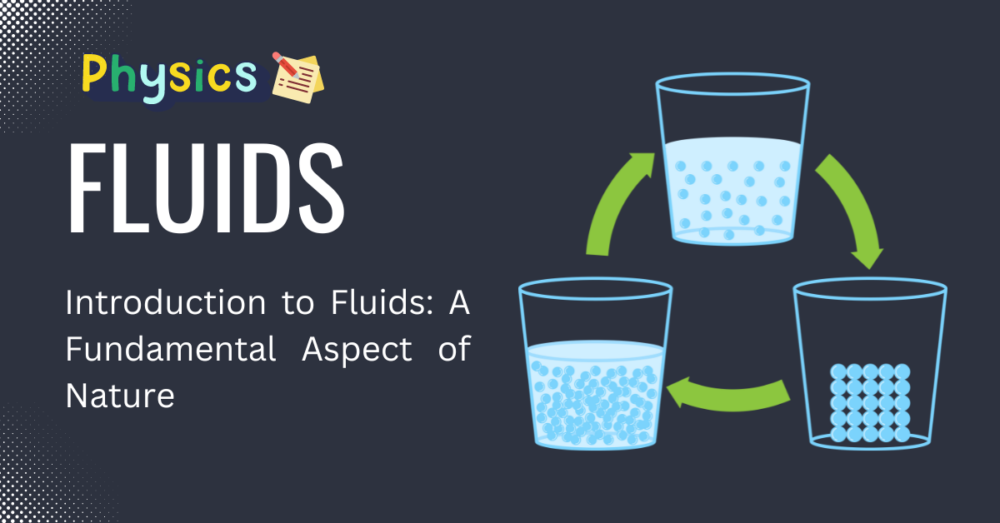
Introduction to Fluids: A Fundamental Aspect of Nature

In this article, we explore some fundamental physical properties of liquids and gases, which are collectively known as fluids. The defining characteristic of fluids is their ability to flow, setting them apart from solids in a crucial way. Both liquids and gases are omnipresent in our environment. Earth itself is surrounded by an atmosphere composed

Introduction to Fluids: A Fundamental Aspect of Nature Read More »

Electrical Power, Definition, Formula, Unit, Types & Equation

Electrical Power: Definition, Formula, Unit, Types & Equation

Electrical power is the result of electrical energy. When an electric current flows through a circuit, it performs work. This work creates power, which can then be stored and used as energy. Electrical power is similar to mechanical power, and they can be converted from one form to another. In this article, we will explore

Electrical Power: Definition, Formula, Unit, Types & Equation Read More »

Discovery of Electron, Proton and Neutron

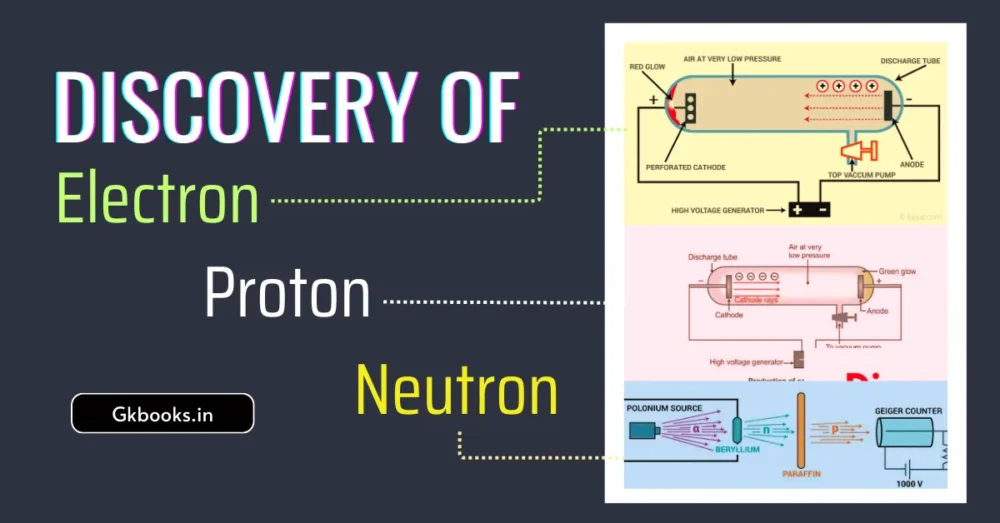
Discovery of Electron, Proton and Neutron: Complete Notes

An atom is the tiniest part of any element. It contains smaller particles called subatomic particles. The most important of these are electrons, protons, and neutrons. These particles give the atom many of its key properties. The discovery of electrons, protons, and neutrons came from several interesting experiments. In this article, we’ll explore how these

Discovery of Electron, Proton and Neutron: Complete Notes Read More »
Proton, Properties, Structure, & Mass

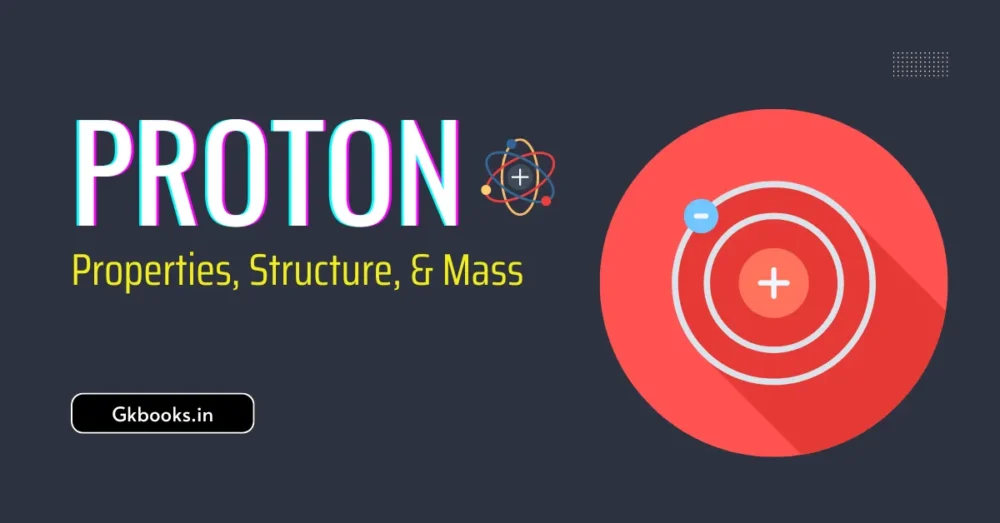
Proton: Structure, Properties, Mass, and Significance in Science

The proton is one of the three main subatomic particles that make up an atom, along with neutrons and electrons. First discovered in the early 20th century, the proton is a positively charged particle that resides in the nucleus of every atom. Its role is crucial in defining an element’s identity, enabling chemical reactions, and

Proton: Structure, Properties, Mass, and Significance in Science Read More »

Isobars Definition, Properties & Applications and More

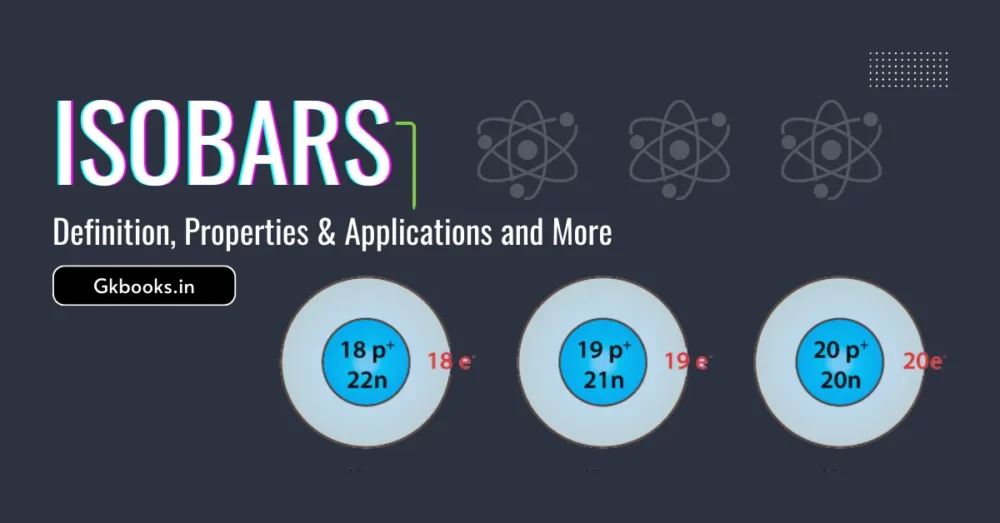
Isobar: Definition, Properties & Applications and More

Isobars are elements that share the same mass number but have different atomic numbers, meaning they have distinct chemical properties but identical physical properties. The variation in their chemical properties arises from the different number of electrons in each element. The term “isobars” was introduced by Alfred Walter Stewart in 1918 and comes from the

Isobar: Definition, Properties & Applications and More Read More »

Atomic Number - Know Atomic Mass Number, Isotopes, Isobars & Understand with Examples

Atomic Number – Know Atomic Mass Number, Isotopes, Isobars & Understand with Examples

The Atomic Number is what makes an atom unique. It’s one of the most basic and important features of an atom. In this article, we will learn about the meaning of atomic number, mass number, and the differences between isotopes and isobars. We’ll also explore the different isotopes of hydrogen and their special traits, along

Atomic Number – Know Atomic Mass Number, Isotopes, Isobars & Understand with Examples Read More »

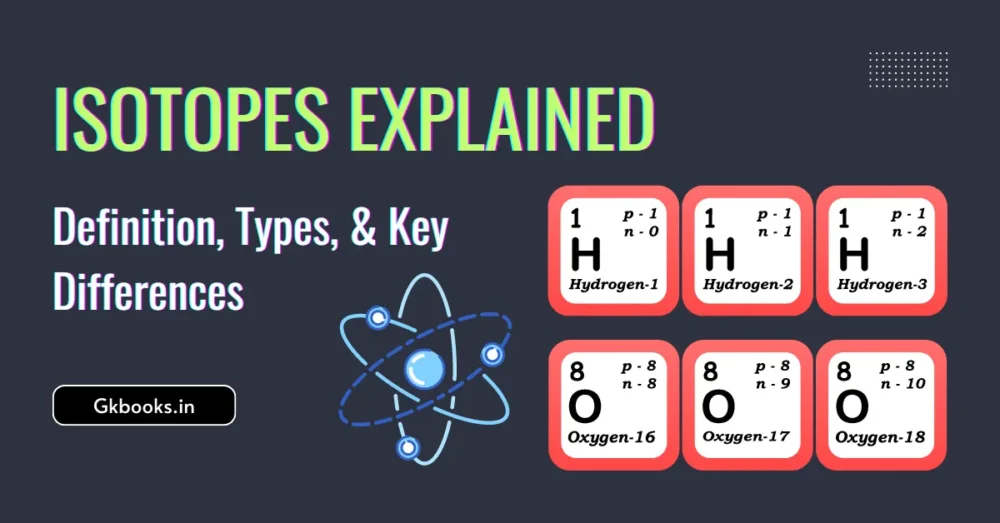
Isotopes Explained: Definition, Types, & Key Differences

Isotopes: Definition, Types, Differences, Characteristics

In Physics, it’s important to understand how materials behave. This behavior depends on the number of tiny particles, like electrons, protons, and neutrons, in their atoms. Elements that have the same number of protons and electrons but a different number of neutrons are called isotopes. Some isotopes occur naturally, while others are made by humans.

Isotopes: Definition, Types, Differences, Characteristics Read More »

Radioactive Carbon-14, Applications, Types, and Key Facts

Radioactive Carbon-14: Applications, Types, and Key Facts

Radioactive carbon, particularly carbon-14, is an isotope of carbon that undergoes radioactive decay. This isotope is essential in various scientific fields due to its unique properties and applications. Importance of Studying Radioactive Carbon Studying radioactive carbon, especially carbon-14 is very important for several reasons: Applications in Various Fields Radioactive carbon, especially carbon-14, has many important

Radioactive Carbon-14: Applications, Types, and Key Facts Read More »

First in India Male List

First in India Male List: Know the First Indian Males to Achieve Recognition in the World 

India has grown a lot as a nation in its 75 years of independence. Many important firsts have happened here, and they have made a big impact. Being the first male to do something significant in India shows a strong dedication to achieving goals. Students might wonder who these important men are. Their names and

First in India Male List: Know the First Indian Males to Achieve Recognition in the World  Read More »

Understanding C3 Plants A Comprehensive Guide

Understanding C3 Plants: A Comprehensive Guide

Ever wondered how plants manage to convert sunlight into the food we eat? The magic lies in photosynthesis, a process that different plants perform in unique ways. In this article, we’ll dive deep into the world of C3 plants, understanding their significance, how they work, and why they matter. Understanding Photosynthesis Basics of Photosynthesis Photosynthesis

Understanding C3 Plants: A Comprehensive Guide Read More »

Ribulose Bisphosphate (RuBP) – An In-Depth Study

Ribulose Bisphosphate (RuBP) – An In-Depth Study

Welcome to our exploration of Ribulose Bisphosphate (RuBP). It’s a key topic in the world of General Science and Biology Notes. If you’re preparing for competitive exams like SSC, UPSC, CDS, NDA, RAILWAY, RRB, NTPC, or any State Level exams, understanding RuBP can be a valuable addition to your knowledge base. Ribulose Bisphosphate, commonly known

Ribulose Bisphosphate (RuBP) – An In-Depth Study Read More »

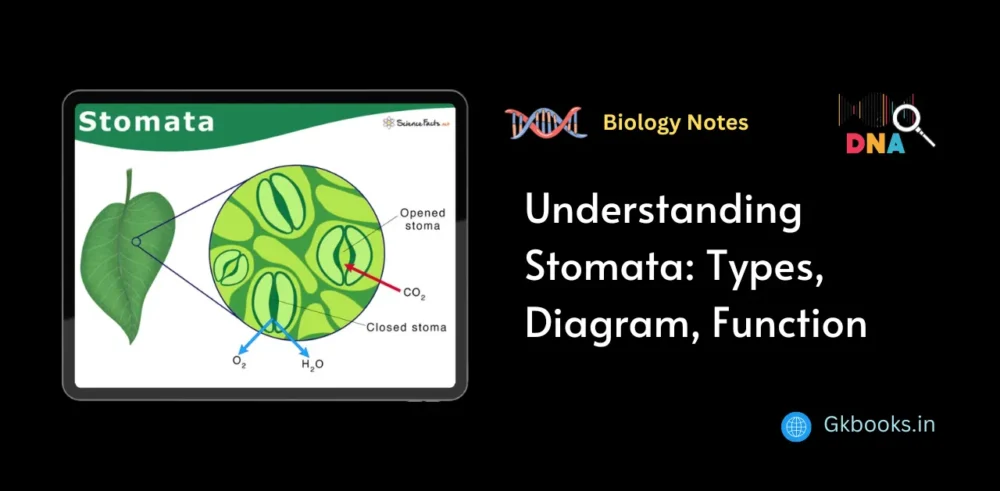
Understanding Stomata, Types, Diagram, Function

Understanding Stomata: Types, Diagram, Function

Stomata are tiny openings on the surfaces of leaves and stems that play a crucial role in plant physiology. These small pores might seem insignificant, but they are vital for the survival and health of plants. So, what exactly are stomata, and why are they so important? What Are Stomata? Stomata are microscopic pores found

Understanding Stomata: Types, Diagram, Function Read More »

List of Books and Authors in Indian History- Complete List

List of Books and Authors in Indian History: Complete List

Books and Authors List in Indian History The ancient Indian civilization of Harappan had an advanced writing system, however, it remains undeciphered to date. Despite this, the literary tradition of India dates back over 3000 years and is primarily rooted in the Sanskrit language, in both its Vedic and classical forms. The following is a

List of Books and Authors in Indian History: Complete List Read More »

Ads Blocker Image Powered by Code Help Pro

Ads Blocker Detected!!!

We have detected that you are using extensions to block ads. Please support us by disabling these ads blocker.

Powered By
100% Free SEO Tools - Tool Kits PRO
Scroll to Top